%20--%3e%3cdefs%3e%3cstyle%3e%20.st0%20{%20fill:%20%23fff;%20}%20.st1%20{%20fill:%20none;%20stroke:%20%23fff;%20stroke-miterlimit:%2010;%20stroke-width:%206px;%20}%20%3c/style%3e%3c/defs%3e%3cg%3e%3cpath%20class='st0'%20d='M417.24,118.79c-3.8-2.16-8.23-3.24-13.28-3.24s-9.34,1.08-13.14,3.24c-3.8,2.16-6.79,5.17-8.95,9.01-2.16,3.85-3.24,8.29-3.24,13.33s1.08,9.49,3.24,13.33c2.16,3.85,5.14,6.85,8.95,9.01,3.8,2.16,8.18,3.24,13.14,3.24s9.48-1.08,13.28-3.24c3.8-2.16,6.77-5.16,8.89-9.01,2.12-3.84,3.18-8.29,3.18-13.33s-1.06-9.48-3.18-13.33c-2.12-3.84-5.08-6.85-8.89-9.01Z'/%3e%3cpolygon%20class='st0'%20points='151.81%20153.61%20175.45%20153.61%20163.58%20122.87%20151.81%20153.61'/%3e%3cpath%20class='st0'%20d='M52.88,83.15v116.54h737.24v-116.54H52.88ZM119.01,154.22h-30.49v28.93h-19.1v-84.05h52.72v17.29h-33.62v21.01h30.49v16.82ZM185.9,183.15l-5.64-14.53h-33.37l-5.64,14.53h-20.42l33.39-84.05h18.72l33.39,84.05h-20.42ZM283.64,168.81c-4.08,5.08-9.13,9.03-15.18,11.83-6.05,2.79-12.75,4.19-20.11,4.19-8.49,0-16.02-1.86-22.59-5.58-6.56-3.73-11.68-8.87-15.37-15.43-3.68-6.57-5.52-14.13-5.52-22.7s1.84-16.13,5.52-22.7c3.69-6.57,8.79-11.71,15.31-15.43,6.52-3.72,14.03-5.58,22.53-5.58,7.13,0,13.66,1.36,19.58,4.08,5.92,2.72,10.9,6.57,14.95,11.54,4.04,4.96,6.86,10.8,8.46,17.52h-19.7c-1.6-4.65-4.44-8.31-8.53-10.99-4.08-2.68-8.79-4.02-14.15-4.02-4.73,0-8.96,1.08-12.67,3.24-3.72,2.16-6.63,5.17-8.71,9.01-2.08,3.85-3.12,8.29-3.12,13.33s1.04,9.49,3.12,13.33c2.09,3.85,4.97,6.85,8.65,9.01,3.68,2.16,7.88,3.24,12.61,3.24,5.52,0,10.35-1.42,14.51-4.26,4.17-2.84,7.13-6.67,8.9-11.47h19.69c-1.36,6.8-4.08,12.74-8.17,17.83ZM355.57,183.15h-56.55v-84.05h55.23v16.09h-36.26v17.41h33.02v15.98h-33.02v18.36h37.58v16.21ZM443.1,163.82c-3.83,6.56-9.12,11.7-15.84,15.43-6.73,3.72-14.49,5.58-23.3,5.58s-16.46-1.86-23.23-5.58c-6.77-3.73-12.05-8.87-15.85-15.43-3.8-6.57-5.71-14.13-5.71-22.7s1.9-16.13,5.71-22.7c3.8-6.57,9.09-11.71,15.85-15.43,6.77-3.72,14.51-5.58,23.23-5.58s16.58,1.86,23.3,5.58c6.72,3.72,12,8.87,15.84,15.43,3.84,6.57,5.77,14.13,5.77,22.7s-1.93,16.13-5.77,22.7ZM475.53,183.15h-19.1v-84.05h52.72v17.29h-33.62v21.01h30.49v16.82h-30.49v28.93ZM496.23,183.15l48.03-84.05,48.03,84.05h-96.06ZM618.08,183.15h-19.1v-84.05h19.1v84.05ZM696.49,116.99h-26.66v66.16h-19.1v-66.16h-26.66v-17.9h72.41v17.9ZM773.57,183.15h-19.1v-33.86h-32.89v33.86h-19.1v-84.05h19.1v32.3h32.89v-32.3h19.1v84.05Z'/%3e%3c/g%3e%3crect%20class='st1'%20x='37'%20y='67.06'%20width='768.97'%20height='148.5'/%3e%3c/svg%3e)
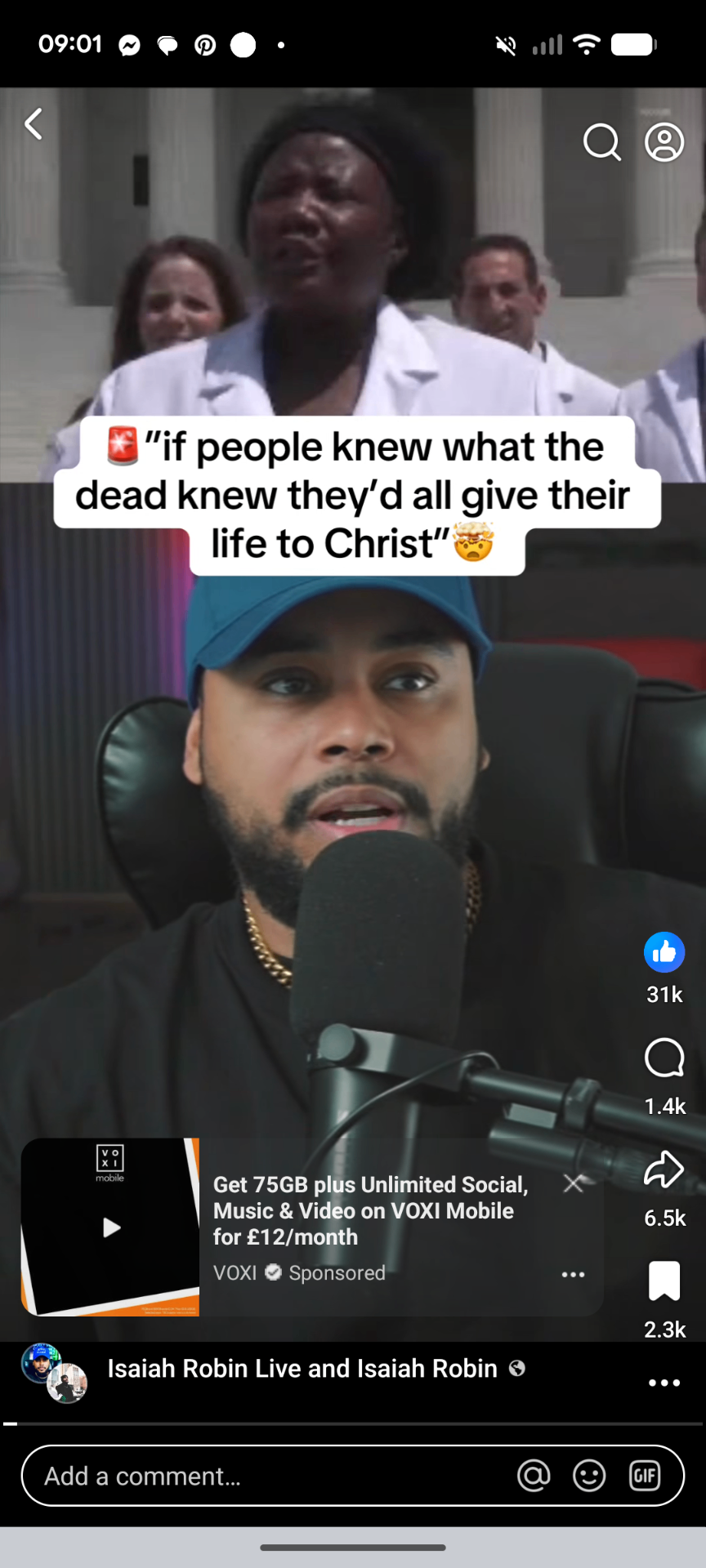
If people knew what the dead knew
Facebook · Under 5 minutes
Reflection
The idea that the dead possess some clarity the living lack draws on a persistent human intuition: that death strips away illusion and reveals what truly mattered, often too late for the insight to change anything. Scripture reflects something of this urgency, with the writer of Ecclesiastes reflecting soberly on mortality to sharpen the reader's sense of what is worth pursuing in the time available (Ecclesiastes 9:5-10), and Jesus's parable of the rich fool warns of a man who built bigger barns the very night his life was required of him (Luke 12:16-21). The unsettling power of the phrase lies in its implied challenge: whatever wisdom or regret comes with death's clarity, could it be gained now instead, while there is still time to act on it. Christian hope offers something beyond mere memento mori, since it insists death is not simply an ending that reveals truth too late, but a passage that those trusting in Christ face without ultimate fear (1 Corinthians 15:55-57). Even so, the sense of urgency the phrase carries is worth taking to heart rather than brushing aside.
Questions to sit with
- What do you imagine you would regret not doing if your life ended today?
- How does thinking about mortality change your sense of daily priorities?
- What would it take for you to live now with the clarity people often only find too late?