%20--%3e%3cdefs%3e%3cstyle%3e%20.st0%20{%20fill:%20%23fff;%20}%20.st1%20{%20fill:%20none;%20stroke:%20%23fff;%20stroke-miterlimit:%2010;%20stroke-width:%206px;%20}%20%3c/style%3e%3c/defs%3e%3cg%3e%3cpath%20class='st0'%20d='M417.24,118.79c-3.8-2.16-8.23-3.24-13.28-3.24s-9.34,1.08-13.14,3.24c-3.8,2.16-6.79,5.17-8.95,9.01-2.16,3.85-3.24,8.29-3.24,13.33s1.08,9.49,3.24,13.33c2.16,3.85,5.14,6.85,8.95,9.01,3.8,2.16,8.18,3.24,13.14,3.24s9.48-1.08,13.28-3.24c3.8-2.16,6.77-5.16,8.89-9.01,2.12-3.84,3.18-8.29,3.18-13.33s-1.06-9.48-3.18-13.33c-2.12-3.84-5.08-6.85-8.89-9.01Z'/%3e%3cpolygon%20class='st0'%20points='151.81%20153.61%20175.45%20153.61%20163.58%20122.87%20151.81%20153.61'/%3e%3cpath%20class='st0'%20d='M52.88,83.15v116.54h737.24v-116.54H52.88ZM119.01,154.22h-30.49v28.93h-19.1v-84.05h52.72v17.29h-33.62v21.01h30.49v16.82ZM185.9,183.15l-5.64-14.53h-33.37l-5.64,14.53h-20.42l33.39-84.05h18.72l33.39,84.05h-20.42ZM283.64,168.81c-4.08,5.08-9.13,9.03-15.18,11.83-6.05,2.79-12.75,4.19-20.11,4.19-8.49,0-16.02-1.86-22.59-5.58-6.56-3.73-11.68-8.87-15.37-15.43-3.68-6.57-5.52-14.13-5.52-22.7s1.84-16.13,5.52-22.7c3.69-6.57,8.79-11.71,15.31-15.43,6.52-3.72,14.03-5.58,22.53-5.58,7.13,0,13.66,1.36,19.58,4.08,5.92,2.72,10.9,6.57,14.95,11.54,4.04,4.96,6.86,10.8,8.46,17.52h-19.7c-1.6-4.65-4.44-8.31-8.53-10.99-4.08-2.68-8.79-4.02-14.15-4.02-4.73,0-8.96,1.08-12.67,3.24-3.72,2.16-6.63,5.17-8.71,9.01-2.08,3.85-3.12,8.29-3.12,13.33s1.04,9.49,3.12,13.33c2.09,3.85,4.97,6.85,8.65,9.01,3.68,2.16,7.88,3.24,12.61,3.24,5.52,0,10.35-1.42,14.51-4.26,4.17-2.84,7.13-6.67,8.9-11.47h19.69c-1.36,6.8-4.08,12.74-8.17,17.83ZM355.57,183.15h-56.55v-84.05h55.23v16.09h-36.26v17.41h33.02v15.98h-33.02v18.36h37.58v16.21ZM443.1,163.82c-3.83,6.56-9.12,11.7-15.84,15.43-6.73,3.72-14.49,5.58-23.3,5.58s-16.46-1.86-23.23-5.58c-6.77-3.73-12.05-8.87-15.85-15.43-3.8-6.57-5.71-14.13-5.71-22.7s1.9-16.13,5.71-22.7c3.8-6.57,9.09-11.71,15.85-15.43,6.77-3.72,14.51-5.58,23.23-5.58s16.58,1.86,23.3,5.58c6.72,3.72,12,8.87,15.84,15.43,3.84,6.57,5.77,14.13,5.77,22.7s-1.93,16.13-5.77,22.7ZM475.53,183.15h-19.1v-84.05h52.72v17.29h-33.62v21.01h30.49v16.82h-30.49v28.93ZM496.23,183.15l48.03-84.05,48.03,84.05h-96.06ZM618.08,183.15h-19.1v-84.05h19.1v84.05ZM696.49,116.99h-26.66v66.16h-19.1v-66.16h-26.66v-17.9h72.41v17.9ZM773.57,183.15h-19.1v-33.86h-32.89v33.86h-19.1v-84.05h19.1v32.3h32.89v-32.3h19.1v84.05Z'/%3e%3c/g%3e%3crect%20class='st1'%20x='37'%20y='67.06'%20width='768.97'%20height='148.5'/%3e%3c/svg%3e)
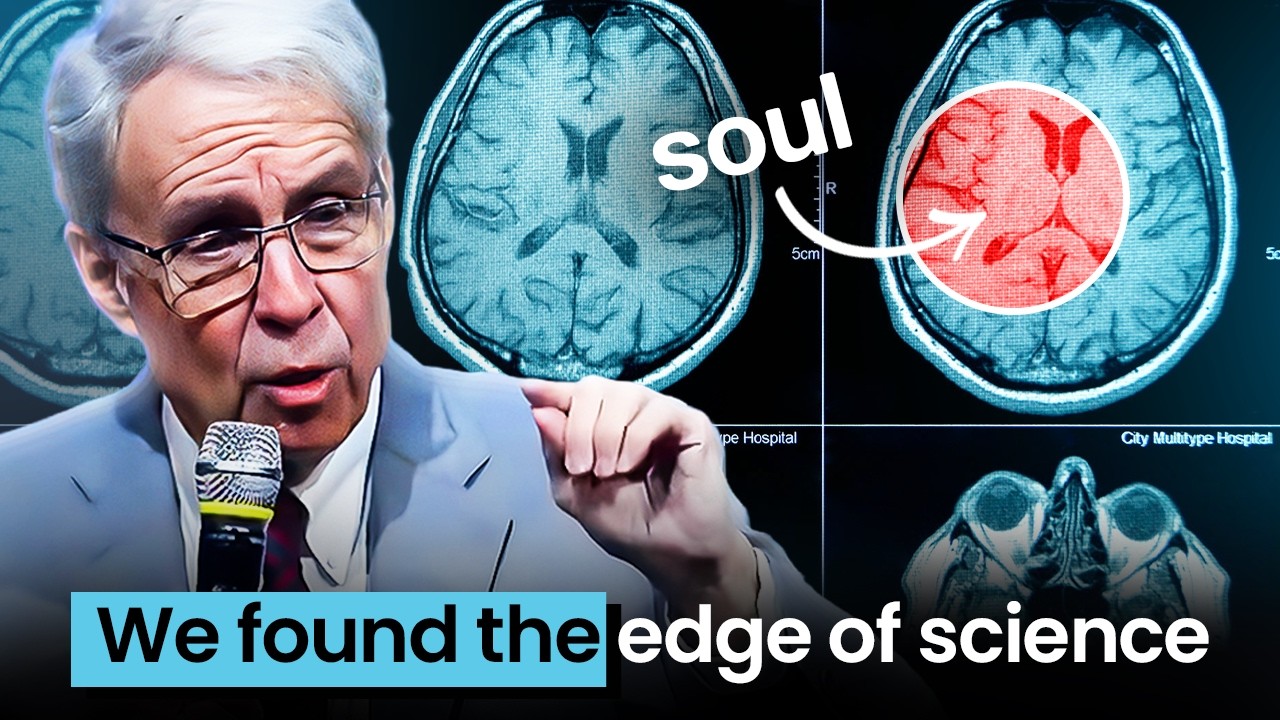
Certainty kills faith
Instagram · Under 5 minutes

Reflection
The claim that certainty kills faith touches on something theologians have long discussed: faith, biblically understood, is described as confidence in what is hoped for and assurance about what is not seen (Hebrews 11:1), which implies that faith operates precisely where absolute proof is unavailable. If everything were provable beyond doubt, trust would no longer be the operative word, since trust is only meaningful where certainty is absent. This is not the same as saying faith is irrational or arbitrary; Christianity has a long tradition of reasoned argument and evidence alongside trust. But there is a real danger in demanding total certainty before believing, or in mistaking rigid certainty for maturity, since it can produce a brittle faith that shatters at the first serious question rather than a resilient faith that has wrestled honestly with doubt. Thomas's demand for physical proof before believing the resurrection (John 20:24-29) is met with patience by Jesus, but also with a gentle word about the blessing that comes to those who believe without seeing.
Questions to sit with
- Do you associate strong faith with certainty, or with something else?
- How do you handle doubt when it arises in your own beliefs?
- What would a resilient, rather than a brittle, faith look like for you?