%20--%3e%3cdefs%3e%3cstyle%3e%20.st0%20{%20fill:%20%23fff;%20}%20.st1%20{%20fill:%20none;%20stroke:%20%23fff;%20stroke-miterlimit:%2010;%20stroke-width:%206px;%20}%20%3c/style%3e%3c/defs%3e%3cg%3e%3cpath%20class='st0'%20d='M417.24,118.79c-3.8-2.16-8.23-3.24-13.28-3.24s-9.34,1.08-13.14,3.24c-3.8,2.16-6.79,5.17-8.95,9.01-2.16,3.85-3.24,8.29-3.24,13.33s1.08,9.49,3.24,13.33c2.16,3.85,5.14,6.85,8.95,9.01,3.8,2.16,8.18,3.24,13.14,3.24s9.48-1.08,13.28-3.24c3.8-2.16,6.77-5.16,8.89-9.01,2.12-3.84,3.18-8.29,3.18-13.33s-1.06-9.48-3.18-13.33c-2.12-3.84-5.08-6.85-8.89-9.01Z'/%3e%3cpolygon%20class='st0'%20points='151.81%20153.61%20175.45%20153.61%20163.58%20122.87%20151.81%20153.61'/%3e%3cpath%20class='st0'%20d='M52.88,83.15v116.54h737.24v-116.54H52.88ZM119.01,154.22h-30.49v28.93h-19.1v-84.05h52.72v17.29h-33.62v21.01h30.49v16.82ZM185.9,183.15l-5.64-14.53h-33.37l-5.64,14.53h-20.42l33.39-84.05h18.72l33.39,84.05h-20.42ZM283.64,168.81c-4.08,5.08-9.13,9.03-15.18,11.83-6.05,2.79-12.75,4.19-20.11,4.19-8.49,0-16.02-1.86-22.59-5.58-6.56-3.73-11.68-8.87-15.37-15.43-3.68-6.57-5.52-14.13-5.52-22.7s1.84-16.13,5.52-22.7c3.69-6.57,8.79-11.71,15.31-15.43,6.52-3.72,14.03-5.58,22.53-5.58,7.13,0,13.66,1.36,19.58,4.08,5.92,2.72,10.9,6.57,14.95,11.54,4.04,4.96,6.86,10.8,8.46,17.52h-19.7c-1.6-4.65-4.44-8.31-8.53-10.99-4.08-2.68-8.79-4.02-14.15-4.02-4.73,0-8.96,1.08-12.67,3.24-3.72,2.16-6.63,5.17-8.71,9.01-2.08,3.85-3.12,8.29-3.12,13.33s1.04,9.49,3.12,13.33c2.09,3.85,4.97,6.85,8.65,9.01,3.68,2.16,7.88,3.24,12.61,3.24,5.52,0,10.35-1.42,14.51-4.26,4.17-2.84,7.13-6.67,8.9-11.47h19.69c-1.36,6.8-4.08,12.74-8.17,17.83ZM355.57,183.15h-56.55v-84.05h55.23v16.09h-36.26v17.41h33.02v15.98h-33.02v18.36h37.58v16.21ZM443.1,163.82c-3.83,6.56-9.12,11.7-15.84,15.43-6.73,3.72-14.49,5.58-23.3,5.58s-16.46-1.86-23.23-5.58c-6.77-3.73-12.05-8.87-15.85-15.43-3.8-6.57-5.71-14.13-5.71-22.7s1.9-16.13,5.71-22.7c3.8-6.57,9.09-11.71,15.85-15.43,6.77-3.72,14.51-5.58,23.23-5.58s16.58,1.86,23.3,5.58c6.72,3.72,12,8.87,15.84,15.43,3.84,6.57,5.77,14.13,5.77,22.7s-1.93,16.13-5.77,22.7ZM475.53,183.15h-19.1v-84.05h52.72v17.29h-33.62v21.01h30.49v16.82h-30.49v28.93ZM496.23,183.15l48.03-84.05,48.03,84.05h-96.06ZM618.08,183.15h-19.1v-84.05h19.1v84.05ZM696.49,116.99h-26.66v66.16h-19.1v-66.16h-26.66v-17.9h72.41v17.9ZM773.57,183.15h-19.1v-33.86h-32.89v33.86h-19.1v-84.05h19.1v32.3h32.89v-32.3h19.1v84.05Z'/%3e%3c/g%3e%3crect%20class='st1'%20x='37'%20y='67.06'%20width='768.97'%20height='148.5'/%3e%3c/svg%3e)
Christianity Is for the Weak? Courage, Persecution and Resilience
"Christianity is a crutch for the weak." I used to think the same thing, until I started reading about the people who actually live it. Martyrs who refused to recant under torture. Believers in closed countries who lose their families, homes and freedom rather than deny Jesus. That isn't weakness; it's the opposite.
This page gathers the voices and stories that reframed courage for me: modern-day persecuted Christians, historic martyrs, and thinkers who explain why the cross calls for more strength, not less. Following Christ costs something real, and millions still pay that cost gladly.
If you've written off Christianity as a comfort blanket, the testimonies here might make you look again at what a genuinely resilient faith actually looks like.
Fides quaerens intellectum — "faith seeking understanding"
Christianity Is for the Weak
"Christianity is for the weak" is a familiar accusation. It suggests that faith is a crutch, comfort for those afraid of reality, suffering, or death. But Christianity does not begin by telling people they are strong. It begins by telling them the truth: that they are broken. And that admission is not weakness; it is honesty. Honesty is costly.
At the heart of Christianity is not reassurance, but a command: deny yourself, take up your cross, and follow me. A cross is not a symbol of comfort or safety. It is a symbol of death, the death of pride, ego, self-justification, and the hunger to control. Christianity does not offer escape from suffering; it demands the courage to face it without hatred or despair.
If Christianity were for the weak, it would promise an easy life. It doesn't. Instead, it asks you to forgive when you want revenge, love people who hurt you, and admit when you're wrong. It calls you to put aside pride, selfishness, and the need to always be right.
Christianity doesn't make life easier, it changes you. If God forgives you, you can't keep making excuses. If God loves you, you can't justify treating others badly. Jesus taught that real strength isn't found in power, status, or controlling others. It's found in humility, self-control, and selfless love.
It's easier to call Christianity "weak" than to face what it actually asks of us. Because Christianity isn't just about believing in Jesus, it's about allowing Him to change the way you live.
Christianity claims that true strength is not domination, but self-giving love, that the greatest power is mastery of the self, not the conquest of others. It is easier to dismiss Christianity as weak than to confront what it demands, because it does not simply ask whether you believe, it asks whether you are willing to be changed.
Christianity is not for the weak. It is for those willing to die before they die, so that they might finally live.
Strength Through Faith
Exploring why Christianity demands more from its followers than critics often assume.
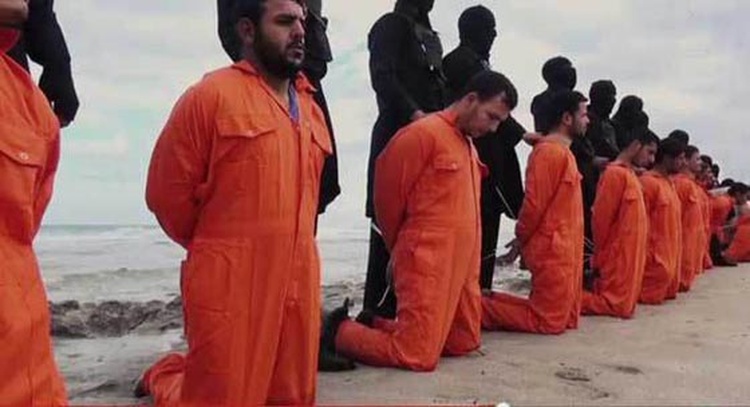
The 21 Coptic Christian Martyrs of Libya
In 2015, twenty-one men chose death over denying Christ, their faith so compelling it drew another to believe.
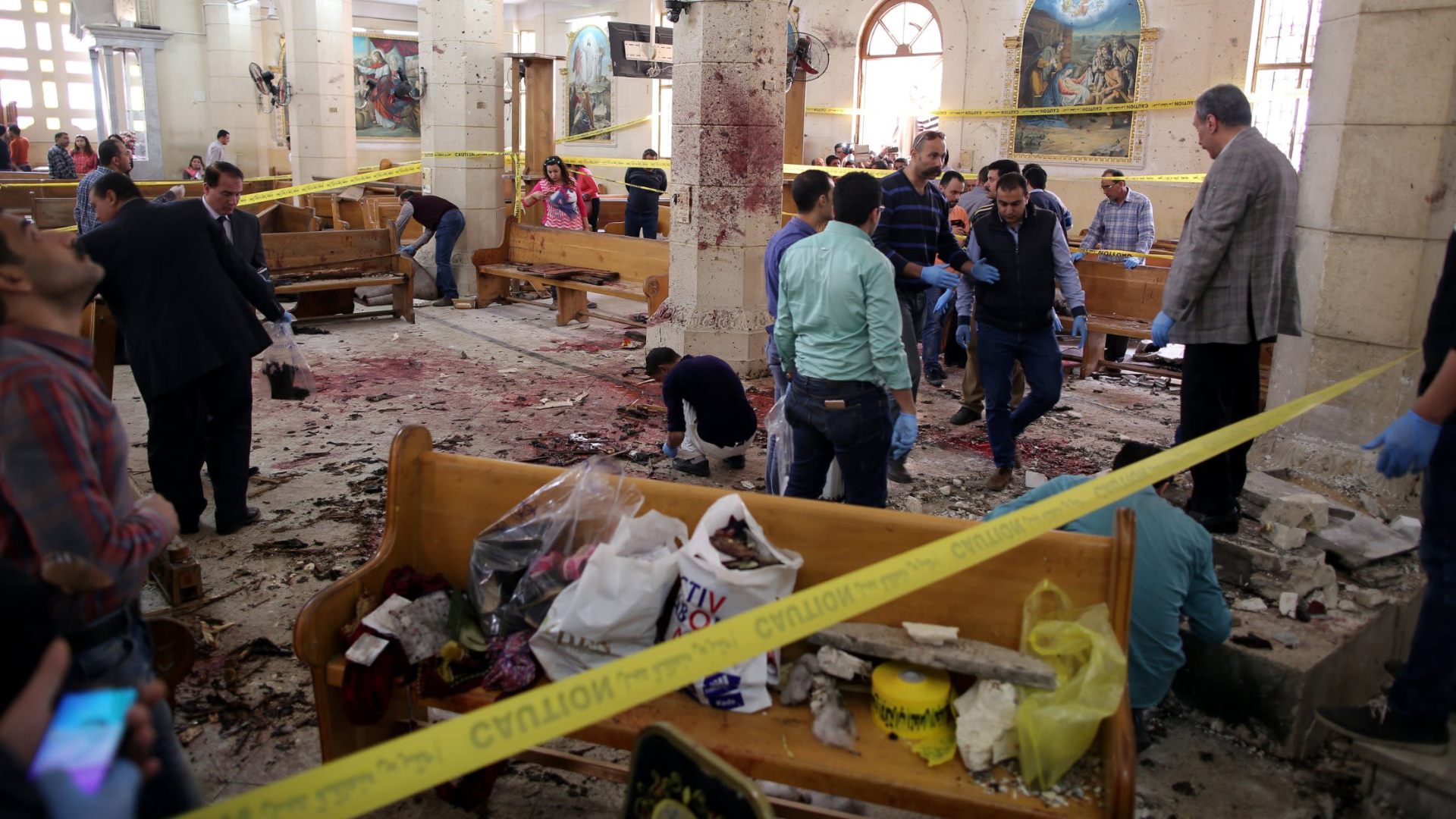
Gratitude, Freedom, and the Persecuted Church
When attending church could mean danger, every step through the door becomes an act of courage.
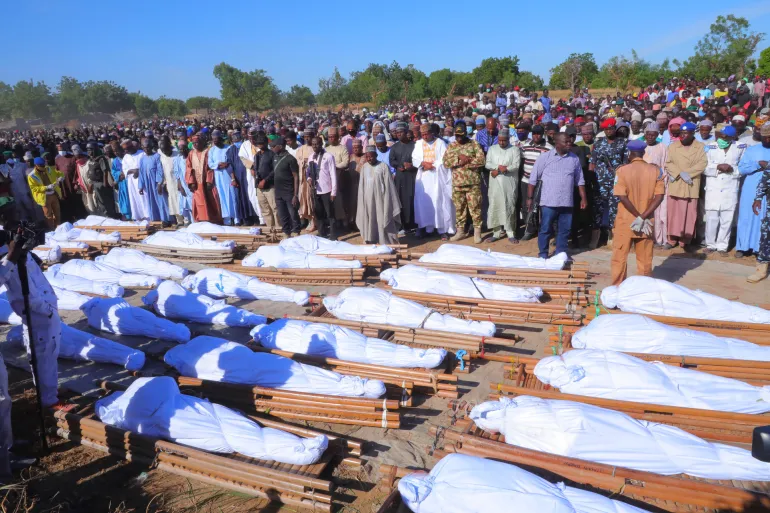
Nigeria: Faith Under Fire
In Nigeria, following Jesus comes with a known cost, yet believers continue to worship and refuse to deny Christ.
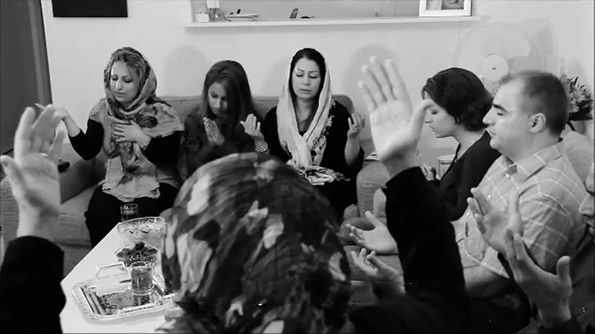
Iran: A Church Hidden Yet Flourishing
In a nation where following Jesus can lead to arrest, Christianity is not disappearing, it is growing.
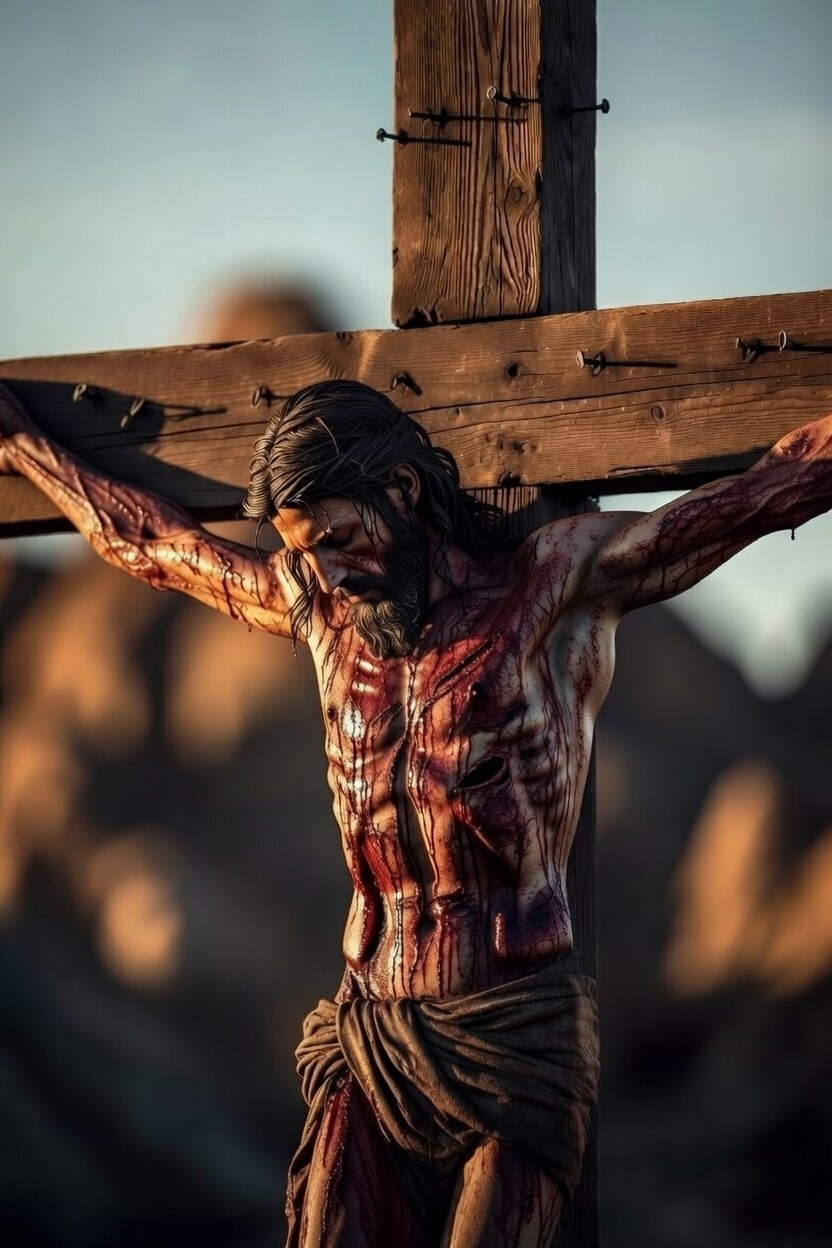
The True Jesus: Not Soft, Not Safe, Not Sanitised
The real Jesus was dangerous, to corrupt power, hollow religion, and self-righteous certainty.
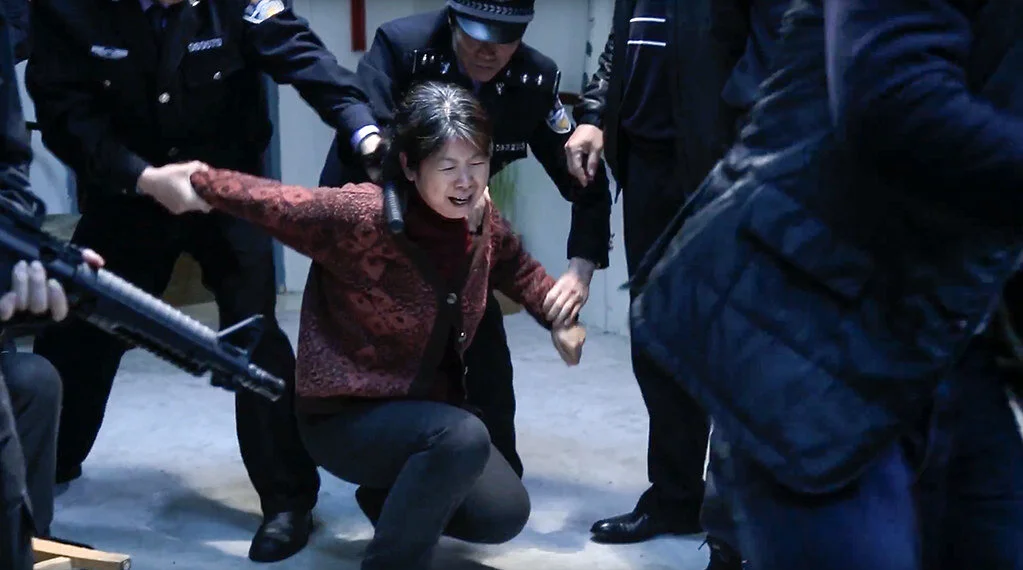
Christianity is Thriving in China While Dying in the West
In an officially atheist state, underground house churches are growing despite intensifying persecution, a quiet revival defying suppression.
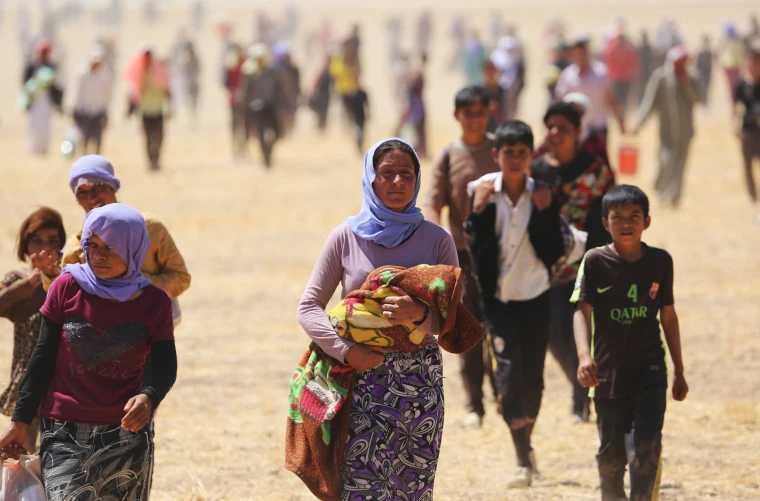
The Persecution of Christians by the Islamic State
In Iraq, one of the world's oldest Christian communities endured forced exile under ISIS, yet returned to rebuild, pray, and persist against all odds.
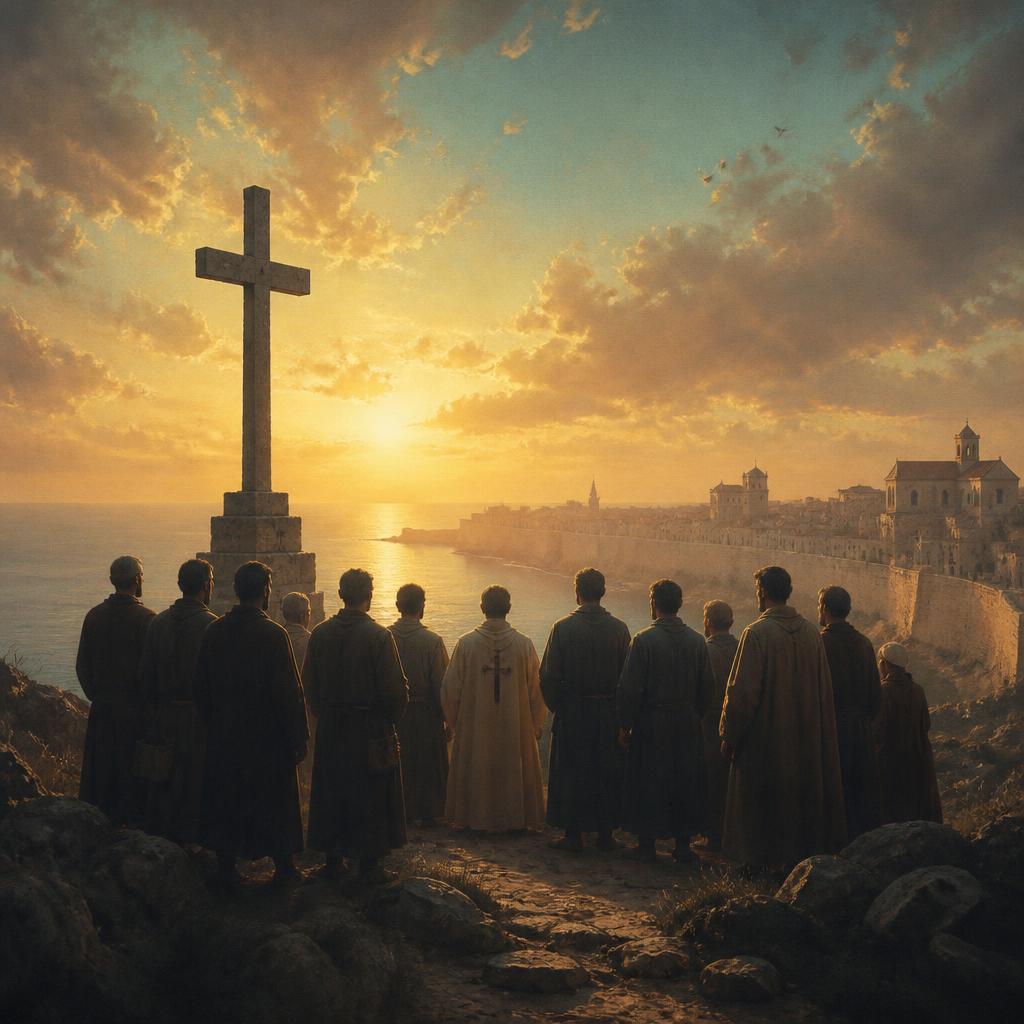
The Martyrs of Otranto: When Faith Was Worth More Than Life
In 1480, around 800 men chose death over denying Christ, a testimony that faith can be worth more than life itself.
A weak Christian culture
The Christian faith in the UK feels increasingly weakened, not because Christianity has lost its truth, but because it has been pushed out of public life and softened within the church itself. Faith is often tolerated only if it stays private and quiet, while Christian conviction in workplaces, schools, and institutions can be treated as inappropriate or even problematic. Prayer isn't "illegal" in everyday life, but in many public settings it is discouraged, restricted, or made to feel unwelcome. The message is clear: believe, but don't be seen.
At the same time, many national and church leaders have become hesitant voices. Instead of speaking with clarity, they often choose caution, trying not to offend. But Christianity was never meant to be a shy background influence. The church is called to be salt and light, not a muted echo of the culture.
Worse still, parts of the church have diluted Jesus into a harmless figure: inspiring, affirming, never challenging. Yet the Jesus of the Gospels calls people to repentance, holiness, and costly discipleship. A "soft Jesus" creates a soft faith, and a soft faith cannot withstand a strong culture.
Britain's roots and much of its moral and legal heritage were shaped by Christianity: the dignity of human life, responsibility, conscience, justice, mercy, truth. When these foundations are abandoned, the nation doesn't become neutral; it becomes shaped by whatever ideology shouts loudest.
So this is a defence of the Christian faith: it is not outdated, oppressive, or irrelevant. It offers a coherent moral foundation, a strong vision of human dignity, and a living hope. The answer is not to hide the faith, but to recover it, through clear teaching, courageous witness, and serious prayer. Christianity does not need to apologise for existing in the public square. If Jesus is Lord, then He is Lord here too.
PSALM 27:1
"The LORD is my light and my salvation—whom shall I fear? The LORD is the stronghold of my life—of whom shall I be afraid?"